
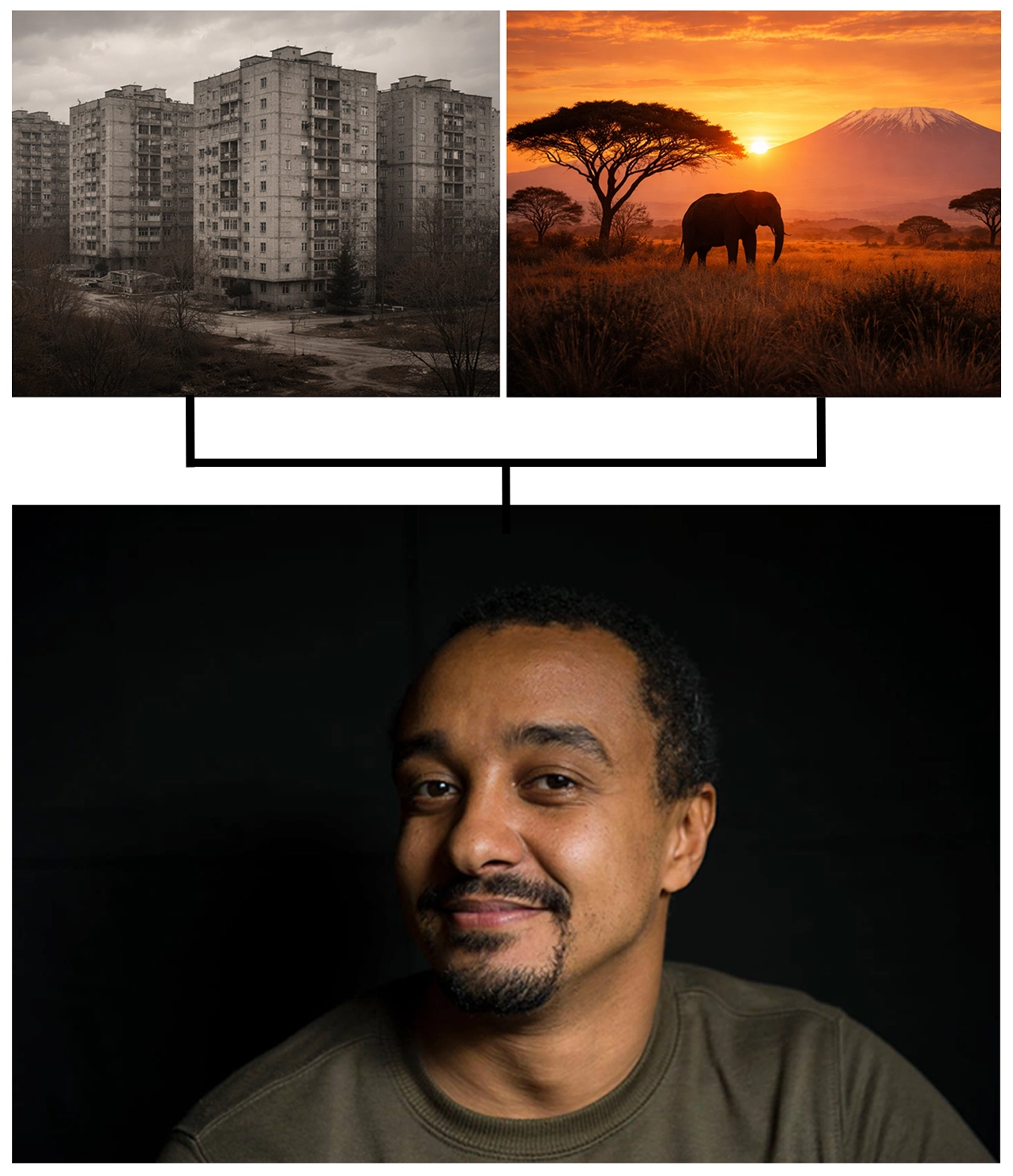
 Five decades ago, Bulgaria stood far behind the Iron Curtain, under the heavy hand of yet another communist dictator, while Tanzania was taking its first post-colonial steps. The two countries were connected economically and, to some extent, culturally—especially since Tanzania’s first president, Julius Nyerere, was a committed socialist.
Bulgaria offered student programs to promising young people from its African partner states. That’s how my father traveled thousands of kilometers and ended up at the Technical University in the Bulgarian coastal city of Varna. By chance, my mother—an introverted yet open-minded woman, drawn to unconventional thinking and adventure—was studying at the same institution.
In communist Bulgaria, Western music was considered immoral, hard to find, or outright banned. But the Tanzanian students had modern cassette players, plenty of Boney M. and James Brown, and the authorities often turned a blind eye to their small musical “offenses.”
“The Tanzanians threw the best parties in the dorms, and I loved dancing to their music. That’s how I met your father,” my mother once told me.
“But Mom, I can’t imagine Dad dancing—why did you choose him?” I asked, surprised.
“Well… I usually danced with someone else, but your father was more persistent…”
And so, through the persistence of two people from different races, countries, and cultures, I came into existence—despite conservative relatives, conservative laws, and conservative societies.
Because of my background, tolerance has always been a basic standard for me. But if I’m honest, tolerance is like plain boiled rice: essential for human well-being, yet somewhat bland. Curiosity, the desire to experiment, and a love for the different, the exotic, and the unknown—these are the spices that give the dish its flavor.
The desire to reach into the unknown has pushed me to travel, to live in several different countries, and to follow the family tradition in my intimate life. That is also one of the reasons I started Athumani—a project that seeks to select the finest basic ingredients and generously season them with spicy sauces and exotic flavors.
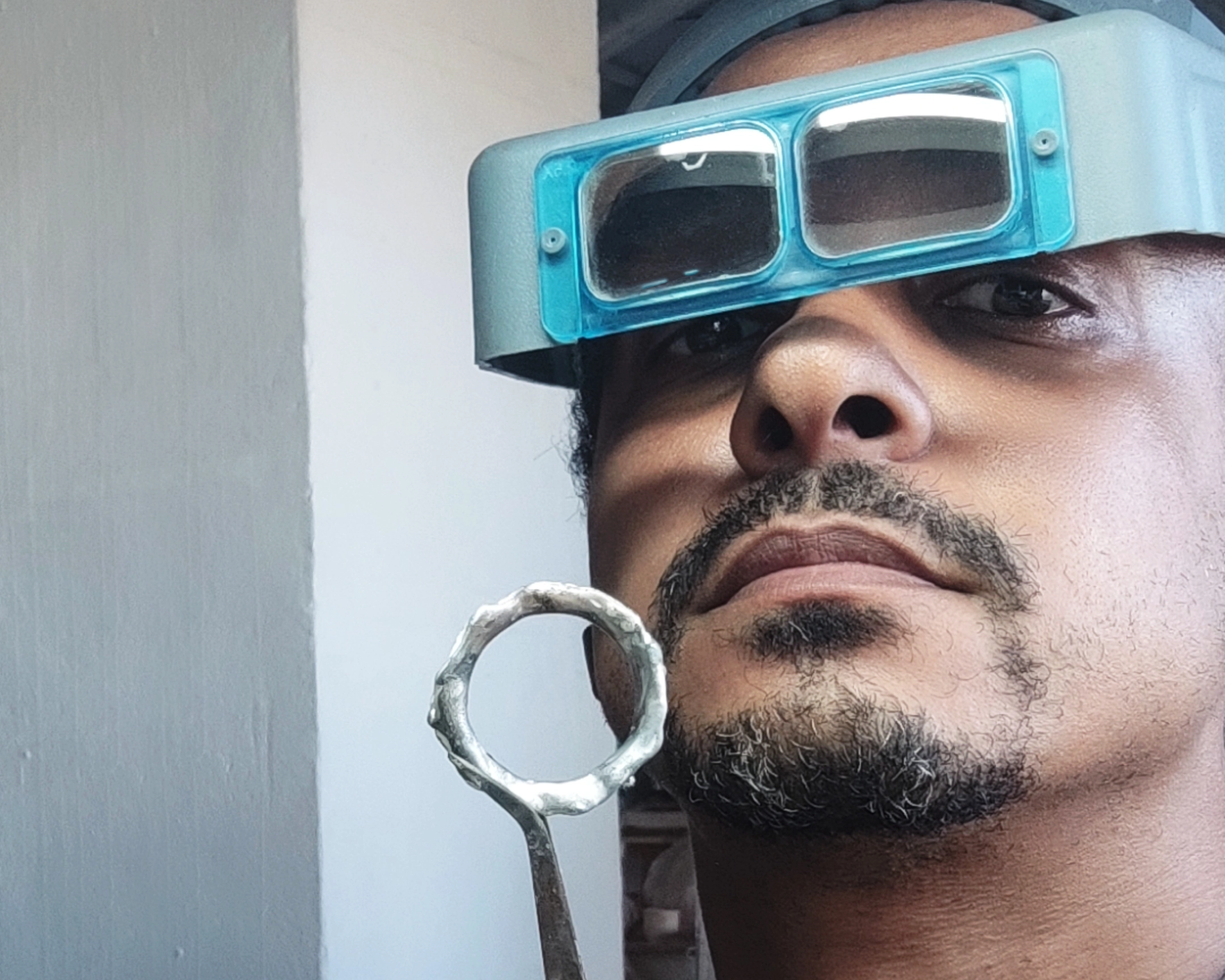 Well, there are many answers to this question. First, “Athumani” is the name of my grandfather from Tanzania, whom I have never met. I chose this name for my brand because it connects me to my roots and my African family.
Athumani started as a project in my best friend’s workshop, where we spent countless hours chatting. He allowed me to perform some basic tasks to keep my hands engaged. Those were my first steps in jewelry making.
Years have passed since then, and I became a jeweler, initially focusing on traditional jewelry. However, everything changed during a trip to London. While visiting a street market in Camden Town, I spoke with an elderly lady selling silver jewelry made by her husband. She mentioned that many customers asked her for cock rings, but her husband vehemently refused to engage with such “dirty” items. That conversation sparked the idea for my own line of cock rings. At that moment, I had no understanding of what a cock ring was or how it was used, prompting me to do extensive research and watch many ‘educational’ videos before I felt ready to create one.